Sweet Potato Curry

I have been waiting to share one of my absolute favorite recipes to make at home. With all organic and even vegan ingredients this will certainly be a go to staple for you as well. Creamy, savory and sweet all in one bowl. This curry pairs well with quinoa, brown/vegetable rice or a gluten free ramen. But it has the capacity to stand tall on its own. The base of the recipe again plays to the Asian process of cooking where the size of the vegetable chop and the order in which things are put on the fire makes all the difference. Ginger, garlic and red onion are the aromatic stars of the show bringing a warm fragrance into the cooking space. Vegetables as always are interchangeable but red bell pepper, butternut squash, chickpeas, yam, carrot, water chestnut are foundational in my rotations. I would stay away from leafier greens like spinach and kale. If you are looking into eating healthier at home this dish is a simple, one-pot meal that will satisfy even the most determined of meat-eating friends.

One of my deepest appreciations for this recipe is the economic cushion. You can take this dish to the 5-star level and perhaps your version will be, but you can deliver a delicious dinner with a fair bit of canned or frozen wholesome organic ingredients. Diced tomatoes, coconut milk, chickpeas, pre-minced garlic, jarred roasted peppers are all amazing options to bolster this dish’s nutritional value. It is also a great recipe that takes on many like flavors that may be awaiting your culinary prowess down in the crisper. Last day leeks, pumpkin and broccoli are all great additions too. This dish is all about a full bowl or flavor that will keep your immune system dialed in and your hunger satiated.

Let us not forget about the punch of pungent seasonings! Turmeric, black pepper, pink sea salt, paprika, red pepper flakes, cumin, a bay leaf and garam masala are a glorious combination. When you can master the merriment of these flavors with your sautéed aromatics and vegetables, you will find the flavors you yield to be richer, deeper and more complex. Immerse yourself in the process of taking your aromatics and vegetables form raw through their natural caramelization stage. Get comfortable with the smells, look and colors of the components in the pan. Also be cognizant of the color, texture and overall state of the pan surface. All of these clues, all of these factors and constantly changing variables are your field notes and experience. These actions practiced with consistency will get you the culinary skills necessary to create the various dishes you become inspired to make.

The short order-

2 Tbs raw coconut oil

4 cloves of garlic

1 thumb of ginger

2 sweet potatoes (or 1 medium squash)

1 red pepper

1 red onion

(Any additional veggies you may have like a couple purple potatoes and some leeks)

1 can or jar each of diced tomatoes, coconut milk, water chestnuts and/or bamboo shoots, chickpeas

1 ½ Tbs each of turmeric, paprika

2 tsp of graram masala

1 tsp of red pepper flakes

Black pepper and sea salt to taste

  1. Wash, scrub, rinse, soak and rinse the produce.
  2. Mince the garlic and the ginger (you can matchstick the ginger as well if you appreciate the texture
  3. Dice the red onion and the red pepper
  4. Halve and thinly slice the leeks
  5. Cube the sweet potato
  6. Open your canned or jarred ingredients and drain and rinse them as well (except for the tomatoes)
  7. Place your coconut oil in the bottom of a soup pot over a med high heat
  8. Once the oil has come up to temp add in the red onion and ginger. Sauté for 3 minutes
  9. Lower the heat, add the garlic and stir. Cover and sauté for an additional 3 minutes. 
  10. At this point the entire kitchen should be overcome with the sweet and rich scents of the east. With our aromatics in the prime of their cooking process it is time to introduce our array of spices. Now if you have never dealt with turmeric beware that it WILL stain. So have your cooking gear on and NOT your Sunday best. You have been warned. The addition of the dry seasonings is going to absorbs the moisture that the vegetables have sweated out so move diligently and continue moving the contents of the dish around the pot lest they catch and scorch. Allow spices to cook for 2 minutes while constantly stirring.
  11.  Add the leeks, liquids and tomatoes, the sweet potatoes and stir. Bring this up to a soft boil and reduce to simmer for 35-45 minutes.
  12. This one pot supper is now complete. Simple and satisfactory. Spoon this over your chosen ancient grain or serve up solo.

I hope this dish is as catalytic for you as it was when I began my holistic health journey. By paying attention with humility to the knowledge shared by one of the most influential Huemans I had access to and seeking their guidance I placed my self on the ever elevating platform you find me today. Just over one year ago Jaspreet told me to go and become what I was meant to become. I make this offering to the plant-based culinary universe for Jaspreet Kaur aka Kaur health pka Hipster Veggie.

Her webpage: https://www.kaurhealth.co.uk/

 Her YouTube: https://www.youtube.com/channel/UCu_UD7T6I96gmdHuyK5G6Rg  
Ramen 100

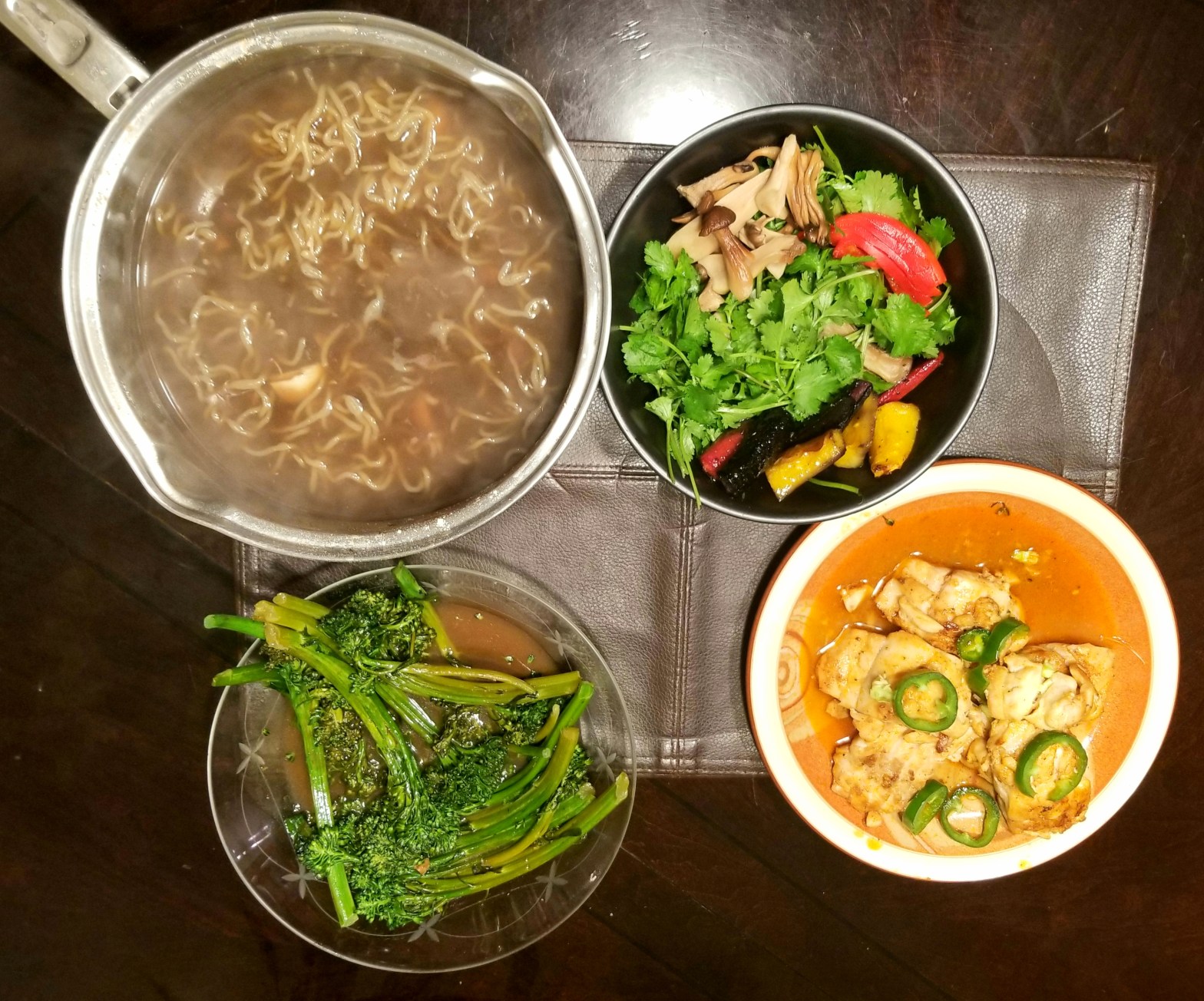
Ramen is such a celebrated dish in cooking couture now with social media and nostalgia atop everyone’s lists of interests. Locally, meaning in Asia, ramen is served in a vast variety of ways. From broth concoction; aromatic choice and preparation; vegetables; proteins which is usually a meat choice of chicken or pork. Each and every one of these elements makes the shop on High Street’s double broth and shirataki elevated to a higher tier than the commercialized ramen bar in the mall. Fish is also a great stock base with the go to being dried kombu (kelp), katsuobushi (Bonito-tuna). If you are of the no meat creed have no worries-The mushroom broth I have posted is fantastic and I would have the utmost confidence serving it up to some of my most devoted carnivore friends.

Your base elements are going to be familiar ingredients just with a different functionality. One very distinct difference with Asian cuisine is the usage of the ingredients. Order of preparation, cooking, plating and consuming. For example, you can use familiar herbs and roots for what are known as aromatics. When paired with a high heat and oil the room is filled with the scent of the orient. When meat is used as a garnish or decoration instead of a main course the elegance of the dish sings as the vegetables take center stage visually.

Authentic ramen is an art and an all-day affair. What I have displayed took three hours and was enough to ignite my intrigue to take a day away for experimentation next week. The foundational elements of a ramen dish are 5:

  1. Broth
  2. Noodle
  3. Tare (seasoning)
  4. Toppings (vegetables & protein)
  5. Aromatic oil

INGREDIENTS

  • Ginger root
  • ½ bulb of garlic
  • ½ Brown onion
  • Organic store-bought Mushroom Broth
  • Four Sigmatic Reishi Elixir
  • Shiratake noodles
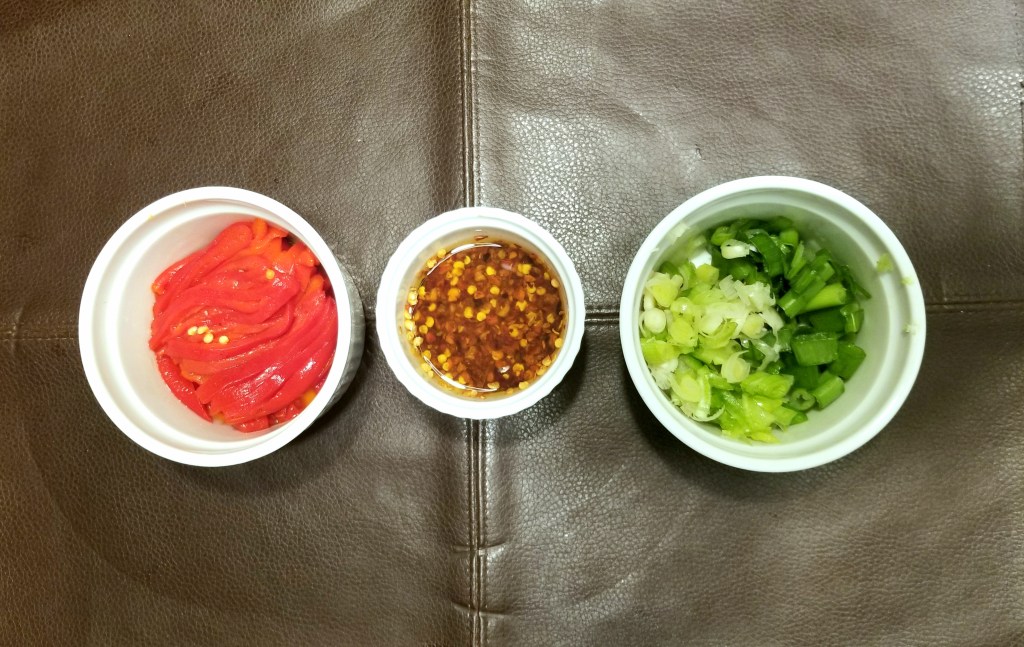
  • Roasted red peppers
  • Green onion
  • Jalepeno
  • Broccolini
  • Truffle roasted carrots
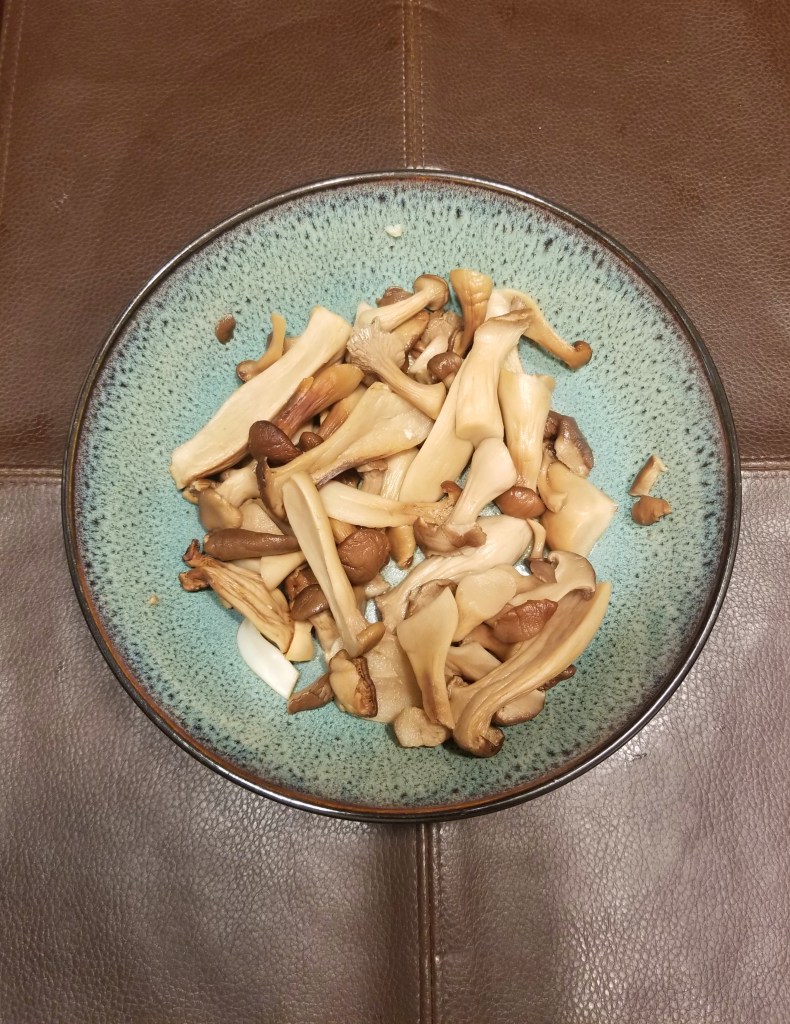
  • Dried mushrooms
  • Rockfish
  • Truffle chili flake honey oil
  • Cilantro
  • Lime
  • Edible flowers

BEFORE CHOPPING AND COOKING IT IS CRUCIAL THAT WE WASH OUR PRODUCE THOROUGHLY. SCRUB, SOAK AND RINSE YOUR PRDOUCE IN THE MANNER EACH SPECIFIC INGREDIENT NEEDS.

BROTH

Cut the ginger, onion and garlic all with the skin on and add them to a stock pot on medium high. No oil is necessary as the water or stock, depending on which direction you will be taking your broth, will be in over the eat shortly. Give it about 3-5 minutes depending on the amount you have in your pot and the heating speed of your burners. What we are aiming for here is the releasing of the natural oils and liquids from the roots and the onion. When these come out and play you will know it. Keep everything moving about in the pot until that happens-we want to avoid scorching. Add the liquids and allow the higher heat to bring that up to a rolling boil. Reduce to a simmer for about 30 minutes.

At this point we want to add in our dried mushrooms and allow them to rehydrate and enhance the broth. We don’t want to overcook our mushrooms as they will be used for one of our topping options so we will remove them and set them aside with the rest of our toppings. Now we add our Reishi elixir (assuming you are consuming this in the late afternoon or evening at home) or whatever other mushroom or superfood you may want to add and allow for full merriment of one unto the other. This is the art in Broth and ramen making. Understanding when elements or ingredients have rendered its full potential forth for your masterpiece. Maximizing timing. Perfecting pairings for your palette. Allow this to go for as long as another hour.

NOODLES

This can be a fully immersed process like making them from scratch or you can find more than enough organic well sourced options wherever you shop. Whatever your dietary preference or prescription there is sure to be a noodle or to for you. It is important however that you follow the instructions on the packet for any store bought packs of noodles.

TARE

Seasonings are what will let the diner know what region they are experiencing through their bowl. Shio and shoyu are where the aspects of flavor take hold. Shio is a very basic approach to the ramen seasoning method. Much gentler, but just as complimentary to the toppings and oil. Shoyu which is widely popular in Japan is a bold soy sauce-based ramen that has the element of soy sauce as the tare. Not boiled into the stock. The Shoyu pairs very well with the mushroom broth because the rich brown color is magnified.

TOPPINGS

This is where your flavor profile comes together. Coming from many other backgrounds one would find there to be a lack of the art of seasoning. In essence the elements you have brought together are what you will taste in the finest form. The crunch of the vegetable that is raw or lightly wok fried; the fish that was cooked and given its own flavorful flare; That perfect egg with is pastured rich golden yolk in contrast with the bronze broth you have created. These are what are going to bring the full flavor of your ramen. Bite by bite. Your toppings allow your same base of broth, noodles and tare to become boundless.

AROMATIC OILS

Hot chili oil or sweet and spicy hoisin and sesame can be purchased from the market but why on earth would you do that when the power to make your own with fresh elements is as easy as combining them yourself when the time calls. Playing off of the mushroom matrix I have developed I felt to have a final and even more elevated flavor profile I should add some truffle sea salt to my oil. Truffle is quite aromatic on its own but not enough to please me because I also wanted a spicy element and I knew red chili flake would be an easy go to. Plus, the longer I let it sit the more it would release its heat into the oil. Just for complexity and balance I added in a small about of super raw honey. Finally, some avocado oil. I chose avocado over sesame because the profile of sesame is strong enough to stand on its own. You can easily choose to just add sesame oil on top and say Taberu (Eat in Japanese). But I was feeling adventurous. Creative! So, I made my own and it delivered on all levels with each bite.

As I began, I shall end: Ramen is just as much an artform as a cultural dish. Ramen is built up from the sourcing and preparation of each ingredient down to the construction of the visual presentation. With the flavors so intricately interdependent the deconstruction-eating-of the bowl is just as methodical. Take the time to enjoy this bowl and play with the elements of the dish as you slurp.

Arigatogozaimashita (Thank You)

Asian Heritage Diet

(Japanese for ‘peace’)Heiwa,

It is my absolute pleasure to explore, experience and learn about the heritage behind the hunger satiating cookery of Asia! As the most densely populated continent on the planet we can count on a diversity of flavors and culinary techniques. Specialties vary, as in all regions, but the merriment of flavors not only within a dish but throughout the serving of all courses is one of the unique ways the Asian heritage Diet sets itself apart from the field.

Taking into account availability, accessibility and ability to purchase vegetables and meats the culture prizes the totality of its dishes and the manner in which they share them. A universal saying to be quoted, “A table linked at the edges with good chi will always leave the bellies beneath in glee.” Vegetables, sauces and broths are foundational elements in this heritage no matter where you go. The presence of a starch like a rice or buckwheat noodle is synonymous to the American pairing of a potato or biscuit. The preparation of each ingredient is just as important as the flavor profile it provides. With the Asian cultures you are going to get the full indulgence of sweet, salty, umami, savory and spicy. The cooperative element of mouth feel takes their approach to cuisine to an elevated tier. Crunchy, firm, silky, sticky, slimy and chewy just to name a few of the most elemental textures gone for in this cultures cooking.

As always what is on offer here will be my take from the inspiration of my research on this culture. Let us also take the time when Indulging in this region’s food, or any for that matter, to connect with the history that is behind the bite. Be more in tune with what you consume this decade and beyond. Be conscious of what elements elevate others and how certain ingredients became household staples in that culinary category. You will be amazed at the symmetry and synergy of food and huemanity.

(Vietnamese for ‘enjoy’)thưởng thức