Stuffed Peppers: Raw & Remixed

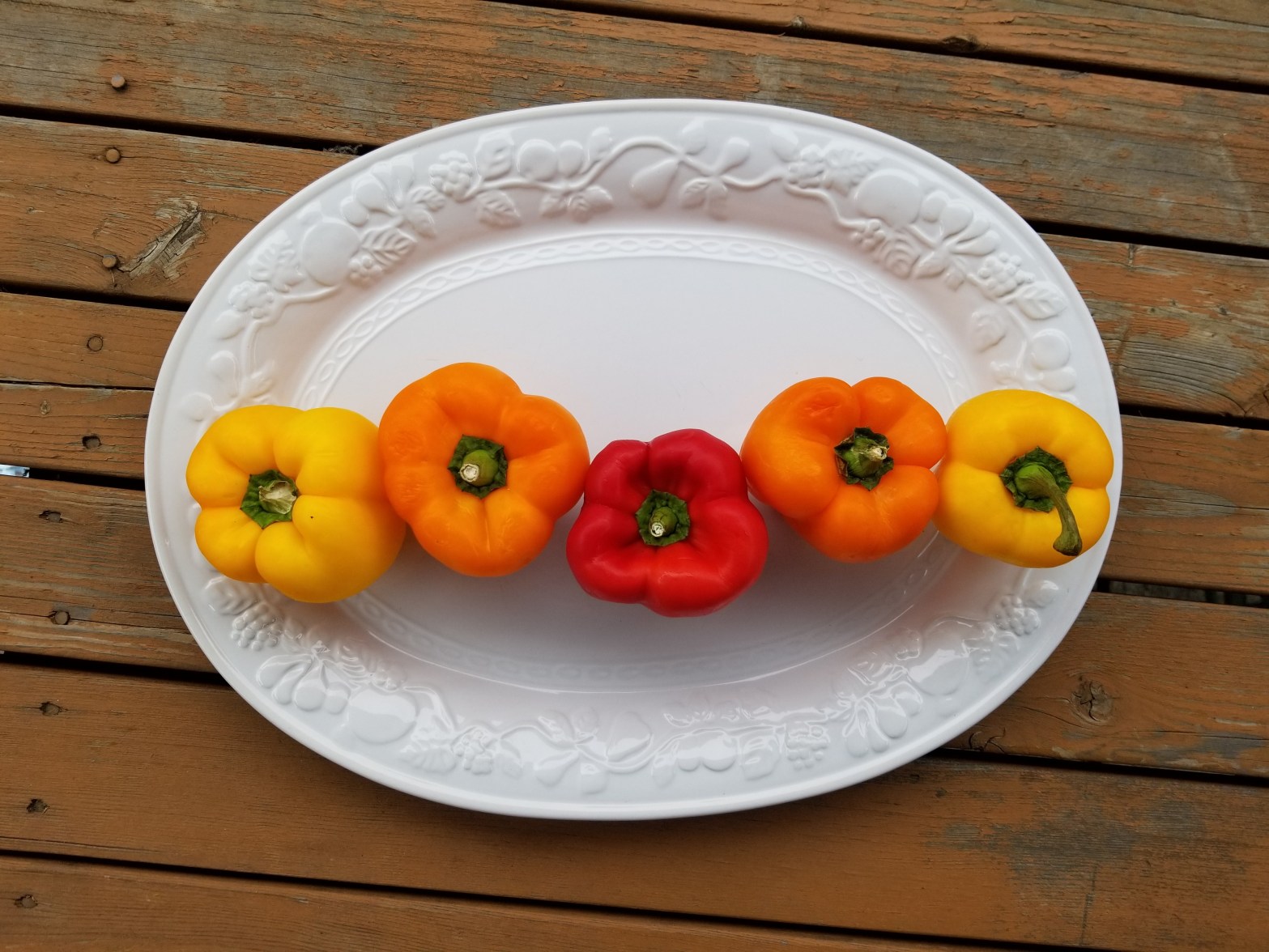
I have taken in the different approaches of stuffed peppers (including my mother’s delicious recipe from childhood) and I have come to the conclusion that the essence is in the seasoning. This is an amazing, culturally diverse dish that can be enjoyed from East Afrika to the Mediterranean and again back around to Central America. Peppers have the potent alkaline quality that is LACKING in the western diet. The western diet is highly acidic. Refined carbohydrates and low nutrient dense carbohydrates prepared in an unhealthy manner like French fries and wheat flour pasta need to be limited and or minimized and eliminated. Biscuits and bread also provide a major portion of the intake at meal time. Hence the colloquial statement, “breaking bread”. The peppers, the stars in this dish, replace this habitual occurrence while delivering more color, nutrients and less inflammation (not to mention it does not get soggy).

The key to an Afrikan approach in these peppers is through proper proportions of the seasonings involved. Creating culturally distinct flavor profiles does not come for foreign spices all the time. Most of the time it lies within the ratio of the seasonings that are widely used around the world: paprika, cumin, chili powder, coriander, cinnamon, turmeric, oregano, garlic and onions (when raw is not conducive to the recipe or available garlic and onion powder). Yes, the region may differ in the crops and various types of pepper and roots that will be dried and ground but the calling for said seasoning will still be the same.

What I have surmised is that a properly stuffed pepper requires a starch and a sauce that serves as a binding and lubricant as well as a protein and additional vegetable. This can look like-

  • Wild rice with a tomato sauce/portobello mushrooms/red onions
  • Quinoa with garlic & paprika ghee/seasoned ground turkey/yam
  • Cooled yams and EVOO/stewed lentils/sweet corn and green onion

It is important not to get hung up on what you decide to include in your recipe as your gut may not agree with what another region claims as “Authentic”. That does not mean that you cannot enjoy the flavor profiles and the overall essential experience. There is always room to substitute and accommodate. I have to do so often. When I began making the changes in dishes I research or become infatuated with I found peace in my digestion. Quinoa and avocado do my stomach better than brown rice and sour cream as staples in my taco salad or burrito bowl. Salmon does not disrupt my weekly activities whereas steak (grass fed/grass finished and all) will. I have no compromise when it comes to Large quantities of lentils and broccoli because I know the outcome so I choose moderation due to their resistant starches. Your health is your wealth. So… own it!

I am going to provide two inspiring renditions of the famous “Stuffed Pepper” and I hope they get you in the mood for some cookery. One is a vegan spin and the other is raw which I have not yet seen. Here are the ingredients using our previously established system of complex starch and sauce/protein/vegetable-

  • Wild rice with a berbere tomato sauce/portobello/avocado
  • Baby kale and spinach w/ harissa tahini/Sizzlin’ chickpeas/cucumber

What is Harissa you may be asking. It is good to ask questions when we are unaware of our reality. This is a rich spice from the north Africa region that is a blend of peppers and essential spices. Roasted red peppers, serrano or baklouti, coriander, garlic paste, caraway seeds, cumin and olive oil. This can be methodically made in a short amount of time with a mortar and pestle. It can also be store bought from a clean and wholesome source of your choice. It can be acquired in a wet or dry consistency. This will be a paste or a seasoning powder. Either is fine just use proportions according to your ingredient mass.

Wait what’s Berebere? This dry spice is of Eritrean/Ethiopian origin and it has a bold and well rounded flavor profile. Similar to the base of Harissa with chili peppers and garlic, caraway and cardamom, ginger and rue flower. The flavor is brighter than the smoky and subtly sweet Harissa. It is very popular and works well with anything from salads to sautés.

Berbere tomato sauce:

  • 1 box of organic cherry tomato. Medley will provide a fruity flavor profile to your tomato sauce… this isn’t a bad thing. Just take note that you want your tomatoes to match the profile of the seasoning going in.
  • Berbere seasoning
  • Splash of red wine vinegar and Worcester sauce (Jussa splash yah!)
  • Fresh cracked black pepper and sea salt

Wash and cut your tomatoes and add a ½ tbs of avocado/coconut oil to a pan heated over medium-low. Add the tomato and allow it to become acquainted with the heat and cooking surface. Once the natural juices begin to release add the seasonings and liquids, turn them in the pan, lower the heat to simmer and handle the rice.

The rice should be made 1 cup of rice to 1 ¼ cups of water.

Sauté the rice in the pan with 1 tbs of oil and then add water and bring to a boil. Lower temperature to simmer and let it cook for 30 minutes. Remove from the heat and allow it to sit for 10 more minutes. Fluff and mix with the Berbere tomato sauce you just manifested. And set aside.

While the rice is setting during that last ten minutes let’s get our mushrooms over the heat in a heavy bottom skillet with no oil as they have enough of their own water to deliver cooking moisture. As everything else finishes up we are going to allow these to become their best selves. When it is time to remove and stuff we will toss with a small amount of oil and sea salt and cracked pepper. Next we want to get our ovens up to 325 degrees and slather our peppers with the same healthy fats we used in the rest of our dishes for continuity. Place the peppers upside down on a baking sheet well spread apart. This is not to roast the pepper but to soften it to a desirable texture for pairing with our stuffing. Slice the avocado while this final bit of cooking is taking place so that plating and serving is simple and smooth.

The order of operations is simple from here. G’wine fill ‘at ting to da top wit da goodness yah.

NOW

For the raw approach to deliver a fresh finality to summer we are going to essentially build a salad within our peppers. Therefore, we do not need to heat our pepper in the over but we will need to go over to the ‘Sizzlin’ Chickpeas’ recipe and implement that here. It is totally up to your preference if you want to cool the chickpeas or have them as the only hot element. I prefer to keep them warm. Not so hot that they are fresh out of the pan but warm enough to keep the initial firmness from the cooking process.

Ingredients required:

  • Kale & spinach
  • Cucumber
  • Tahini
  • EVOO
  • Sea salt and cracked pepper
  • Harissa paste or seasoning
  • Fresh cilantro
  • lemon

Be sure to have all greens and veggies rinsed and dried properly and cut to the desired sizes. Slice the cucumber as well and set aside. Next we want to pull out our blender (this can also be placed in a jar and shaken by hand if you do not have a blender) and add our tahini and EVOO and Harissa. Allow that to combine on a low speed for about 20 seconds. Add the cilantro and lemon next and blend until smoothly incorporated. Taste and season to your liking.

Base your pepper’s interior with the leaves and then add a proper serving of chickpeas. Layer your cucumbers next and drizzle your Harissa tahini dressing over the top and witness the magnificence you have just manifested.

So simple and straight forward are these takes on a classic you are sure to evolve into your own. As always, my goal is to raise awareness to the possibilities of your creativity. This world offers us vibrance in all manners of food and flavor. Take a half hour out of your day and try to tap in to the tasty talents tucked away in your thinking cap. Add these deliciously nutritious meals to your week and see how easy it can be to eat/incorporate a plant-based diet.

Stay healthy and love your skin and all that is within.

G.I. Glory

Coffee, fruit and the digestive process

Belly Best Friends: Coffee & Fruit

             Top tier greetings fellow Huemans,

 Hoping your flow is smooth this day and every day after you ingest this powerful information that will literally change your life. Something that we overlook more often than we should care to admit is our digestive system. Sure, we may think about it when we have an upset stomach or loose stools, but on the everyday, how often do you give thought to the sequence of what you ingest throughout the day? How many times per week do you give precedent to what your stomach needs over what your taste buds desire? Today I hope to make this decision process a bit more intuitive for you with some keys to create the best environment for total nutrient absorption and smooth movement.

             Two approaches to a proper passing of food from top to bottom have delivered consistently for me: Coffee and fruit. Whether I am just waking up and looking to stride into my daily intermittent fast or preparing to begin my feeding window, it is imperative that I begin with an orderly approach. Our stomach, aka the gut, is a diverse arena of living organisms. They need certain things for their ultimate manifestation—enzymes, live ones at that. Enzymes are what break down our macronutrients to their most usable states: Carbs to glucose, protein to amino acids, lipids to fatty acids. Only then can we store them or utilize them for energy or construction of the body.

My love for this mahogany bean flows deep. In addition to its pick me up properties, I am rewarded with benefits of fat metabolization due to the caffeine flame and I am rewarded with its glorious antioxidant profile that helps rid my body of harmful oxidative stress. The polyphenols in coffee are powerful plant derivatives that assist in keeping the liver and colon free of cancerous activity. Coffee increases colon activity immensely which will assist in moving waste out of the body prior to the introduction of a new meal. When our colon is not properly emptied day in and day out, we accumulate a lot of waste within our body and this is what can lead to colorectal cancer. Even decaf coffee (for those who oddly love the taste but not the heart race) has a profound effect on our gastrointestinal (GI) tract. It is very important that we understand the link between our health and our digestion process. Don’t just look at labels and see numbers or macros. It is much deeper than that…like deep, deep within you young padawan. Check out the role of the enteric nervous system on your Googler. Here are a couple links to a very wise woman and someone I look to continue learning from for the reminder of life, Jaspreet Kaur. The link between gut health, skin condition and overall well-being: (https://www.youtube.com/watch?v=FY9pJVbt9a4; https://www.youtube.com/watch?v=o2Iop2IbRNA)

There are certain fruits that have specific enzymes that certainly make them special. For example, pineapple (bromelain) and Papaya (papain) contain proteases which help to tenderize meat and break down proteins into amino acids. Both are often used as commercial meat tenderizers for this very reason. So, to consume either or both 45 minutes before a meal would allow you to enjoy that plate of grass fed/grass finished steak tonight and not wear it for the rest of the week. This can be game changing whether we are watching our waist line or our cognitive performance. Foods left in our lower intestine begin to ferment, thereby wreaking havoc on such goals.

Mangos are really important when looking to have a higher carb meal in the evening. Because we salivate amylase which is what begins the digestions process of carbohydrates and mangos have this same enzyme within them, we can boost our potential to utilize the higher intake of glucose that is also present in mango. Enzymatic reactions are key to our digestive health because without them whole foods would pass through our systems and nutrient extraction would not be able to occur. Said another way, if I go to a vending machine with a one-dollar bill, but it only accepts coins, I have what a need yet can’t use it effectively to achieve the goal I want.

             In terms of other commons fruits, surprisingly, avocados are rich in fiber and healthy fats. Both components are key to digestion movement and lubrication. They also provide electrolytes like potassium which are necessary for muscle contraction. Potassium is going to enhance peristalsis which is our involuntary muscular contraction along the GI tract. This is controlled by the autonomic nervous system (auto-independent of our input). The healthy fats will also increase the fluidity and strength of the myelin sheath surrounding our nerve conducting ions and axons along the vertebral column in the central nervous system and brain computer. Apples contain pectin which is a friendly fiber known to help improve digestion because of its solubility and ability to bind to cholesterol or toxins in the body and promote their excretion. A medium apple has about 4.4 grams of fiber, which is close to 20% of the amount you need for the entire day. Another powerful form of fiber is the raspberry. One cup of raspberries contains eight grams of fiber. The fruit is speaking for itself. Are you listening? We can’t forget grapefruit when we are mentioning fiber. They have a high-quality alkaline source of fiber that will help us feel fuller, longer as well. With the consumption of multiple servings of grapefruits, we activate some powerful enzymatic interactions within the liver that correspond with glutathione and lipid peroxidation. Indeed, this could only be helped along by the moisturization of fluids like water and healthy hydration. Good thing that grapefruit is a powerful hydrating fruit!

             This is just a handful of the fruits and their enzymatic property relations to your gut. And, coffee is just one beverage that can enhance your flow, there are plenty of others. My only goal here today is to help you see the beautiful connection between the fruits of the lands you walk on and the lively environment within your Uni-Verse. As always stay peaceful and remain vigilant. Love your skin and what’s within.

Braised Collards and Blistered Cherry Tomatoes

Acidic and satiating.

With a very short prep time and a quick hit in the pan this side or base can be served up swiftly. Packed with powerful nutrients and vitamins that help the respiratory and digestive systems. Collard greens and most all leafy green vegetables are bursting with vitamins A, C and K. Minerals calcium and phosphorous are in no short supply either. Though most are used to having these served up stewed, i feel the saute or braised approach preserves more texture, provides an easier dish to create during the weekday and allows for easy introduction into the world of heritage cooking.

Tomatoes give no short end of the stick here when called upon to benefit the Hueman form. Just like our collards these juicy reds are a proper source of vitamins C and K. More importantly here though is the antioxidant lycopene. Lycopene has numerous health benefits like many other antioxidants (anti/against oxidant/oxidation) but we want to focus on the benefits for our colon. So when we actually cook the tomato we increase the amount of cis-lycopene and trans-lycopene. So even though we may lose some of the vitamins in the quick cooking process (nowhere near as many as Big Mama’s greens cooking all morning and afternoon swine hocks) we will be increasing the capabilities of our food doing some prosperous communication with our GI tract.

As stated this recipe is very straight forward and simple.

Items for cooking-

Skillet

Tongs (Or 2 forks)

Ingredients-

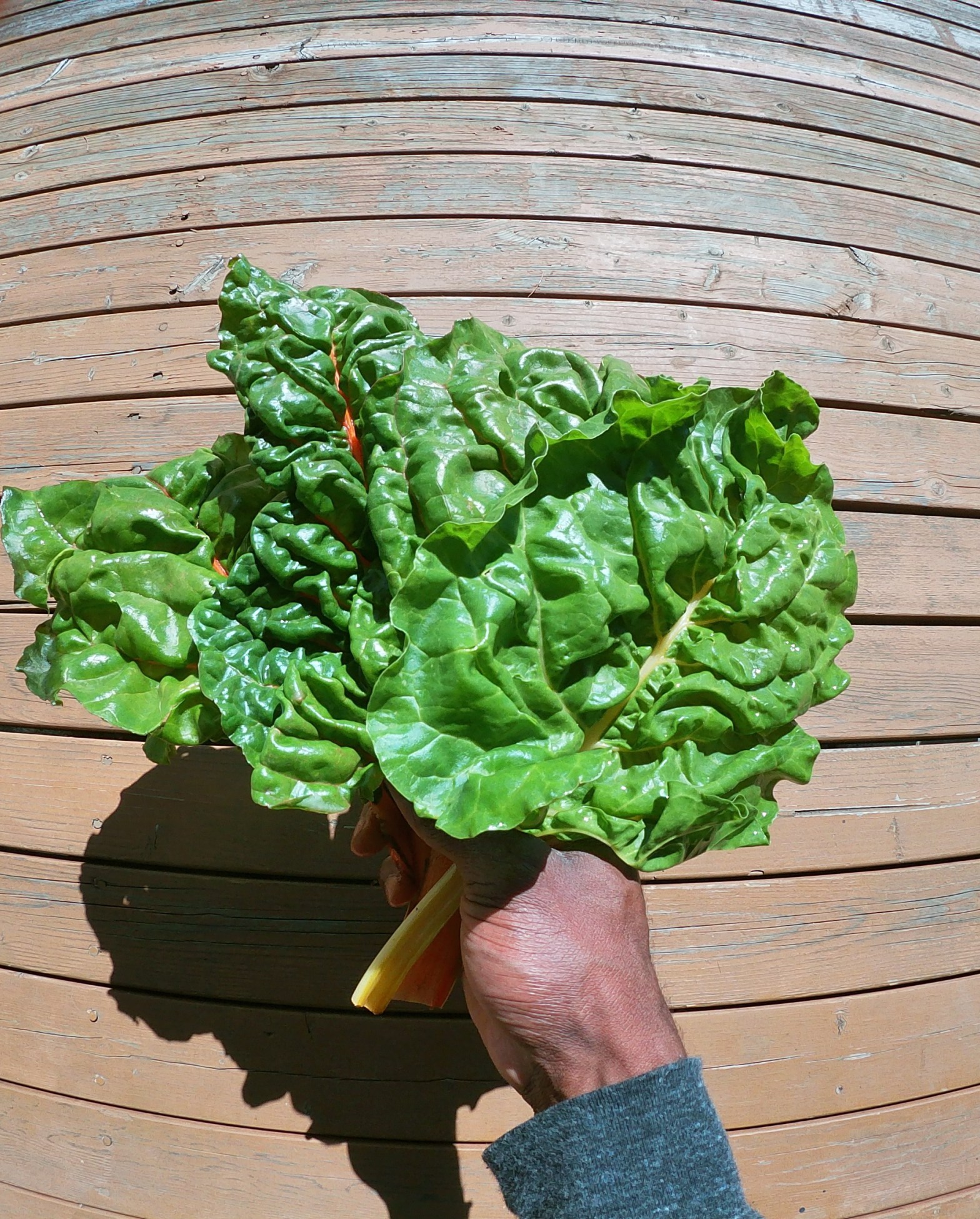
1-2 bunches of collards depending on how many you are feeding or who is eating (and these can be any greens. As you see i have rainbow chard in the picture and you can eve use kale)

1/2-2/3 cup of cherry tomatoes

1-2 cloves of garlic according to your collard count

1-2 shallots or a part of a large red onion

2 tbs of Braggs liquid aminos

the juice of 1 lemon

1/2 tbs of Coriander, cumin, smoked paprika, coconut sugar, chili powder and turmeric

1/4 tsp of ground cardamom(6 pods if using mortar and pestle. We don’t want this to overpower the rest of our flavors. Just wake them up)

1/4 tsp of cayenne pepper

(Spices measure for 1 bunch of greens)

Black pepper, sea salt of your choice to taste

Coconut oil or Avocado oil

ALL ORGANIC, COLD PRESSED PROPERLY SOURCED AND RINSED, SOAKED AND RINSED AGAIN AS BEST CAN BE TO YOUR ABILITIES AND BUDGET. BE VIGILANT ABOUT YOUR INGREDIENTS AND THEY WILL VIGILANTLY PROTECT YOU.

The Process-

Get some oil in the pan and separate your stems from your leaves, halve your tomatoes, mince the garlic, finely chop the onion or shallot and measure out your dry seasonings.

Now turn the heat on in the pan to med/med-hi. We are not scorching or searing like duck breast or filet mignon. We are gently braising our phyto-friends Hueman Tribe. So be highly conscious of the level of sizzle occurring in the pan. It should never sound aggressive.

add the tomatoes and onion in first and allow them to begin to soften. This should take about 3 minutes and shouldn’t need much help from you. Once things have gone a bit less raw so to speak it is the prime time to get to some greens in the pan. Do not be afraid of piling these on in there either because they are also known by a very accurate pseudonym ‘Wilted Greens’. Wilt they will.

This is the right time to get to tonging these greens. With so much volume between the top of the pile and the leaves in contact with the surface of heat this can give a misrepresentation of the progress taking place below. So flip and twist and ensure there is equal access to the heat source for all plants in the pan.

Now that the greens are in the pan combine the liquids listed plus the coconut sugar, stir them up and set them aside shortly because things are going to start moving quickly. Add that garlic to the pan and your dry seasonings.

It should be smelling quite cultural in your kitchen now thanks to the Ancestor’s guidance and your tomatoes, onions and greens should be dancing like Sol Children around a fire right now. One with the other in genuine #Ubuntu style. continue to maneuver them in the pan so that our sensitive garlic is not scorched and destroys our dish and turn down the heat to medium.

Lastly add the mixture with the Braggs, lemon, cayenne, cardamom and coconut sugar to the hot pan and allow it to reduce and coagulate with everything. Give it 2 min over this heat until the mixture has cooked down and glazes the greens.

Plate and enjoy as a base, side or stand alone meal. Perhaps you are in a mood for feasting and you want to grill some fish or meat alongside them. Possibly you are looking for a reason to healthify and #Elevate Big Mama’s buttermilk cornbread recipe for soaking up saucy vegetable. Regardless you are on a path to reconnecting with this heritage through achieving amazing Afrikan home cooked meals and you are taking the power to improve it through using healthier ingredients and cookery techniques than what the Ancestors had to resort to using in order to create something even palatable.

Ase