Fat as Fuel: The Key to Fat Loss
As we continue on our ascension
toward optimal health and wellness it is our duty to fully uncover the benefits
of fat. After all, a healthy amount of body fat will range between 21-24% total
fat composition for women and 14-18% for men. These fats that make up our
stored fat percentage are vital to insulating our organs from injury and assist
in temperature regulation. Fat is key in the delivery, absorption and storage
of essential vitamins. In addition to our physique below the neck and beneath
the skin our most fat rich inhabitant of the body is the brain. Believe it or
not 60% of your brain matter consists of fats. These good fats are directly
responsible for creating all the cell
membranes in the body (1).
Calorically we know that fat is
a much more efficient source of energy than carbohydrates. So, in addition to
the numerous hormonal and Immunol functions fat has a key role in, we know it
has a direct effect on the quality and quantity of energy production and
output. Fat is also vital for the protection of cells located in the central
nervous system. The myelin sheath is a lipid rich substance that protects the
membrane of the cell. Fat is friend not foe. Fat is here to protect us and
provide for us the most vital of functions necessary for Hueman life. So why is
there so much negativity surrounding fat?
Do not mistake my claim here as
all fat is good fat. It is the EFA’s (essential fatty acids) that are by far
the most important to our brain functions. We will discuss the intricacies of
the different EFA’s in, “Omega 101: A guide to Body Building” but for now I
want us to really nail down our foundational knowledge on what is the standard
of good fat versus the standards of bad fat versus the standards of “that will
kill you so just don’t eat those fats”. My goal is for you to close this article
and be able to immerse yourself directly back into life with an acute ability
to make the decisions in life that deliver the best life. You should be able to
read anything posted while in the parking lot of a grocery store (or in the aisle)
or during a cool down stretch when food is heavy on the mind and be able to obtain
valuable information that will make choosing the best foods for your goals a
simple process. My goal is to shed some light on the best ways to encourage and
increase synthesis that’ll provide you the best results for the work that you
put in. All that said let’s get to it.
We are dealing with three
classifications of fats. These classifications are based on the molecular structure
of each lipid group (I know I am taking it to chemistry class but if you care
about your body you will pay attention to the few formulas I do present on here
from time to time. TRUST ME). The saturated content (Mono or Poly) of a fat
molecule will depend on the amount of double bonds within the carbon chain.
These double bonds eliminate the presence of hydrogen atoms and thus create a
saturate free environment. Whereas if there is an abundant presence of hydrogen
you will have a highly saturated fat. The greater degree the unsaturated
content in the molecular bonds the more a substance avails itself to lipid peroxidation
(rancidity, to spoil). When you have a base like a vegetable or seed oil that
is processed and catalyzed by a metal compound and/or heat in order to
hydrogenate it, it then becomes very dangerous to the body. So even though
something may have a healthy beginning we are well aware through countless
examples in our own history that change can occur for the betterment or
detriment of any subject. To fail to look at our food and its original source
and process (which should always be as short as possible from soil to
supermarket) in the same manner is to allow ourselves to put foreign substances
in our body that will have adverse effects. Major producers of these oils are
slowing the process of lipid peroxidation so the product on sale may sit on the
shelf longer (i.e. longer shelf life). So just ponder what that product is
doing while inside your body. Waiting to be used for fuel.
Unsaturated fats are our best
mates when it comes to nutrient dense immune system building macronutrients.
They are extremely easy to consume as they are found in the raw form and best
consumed so. Mono unsaturated fats are seriously best left to ripe organic
avocados and olives, your cold pressed unrefined extra virgin olive and avocado,
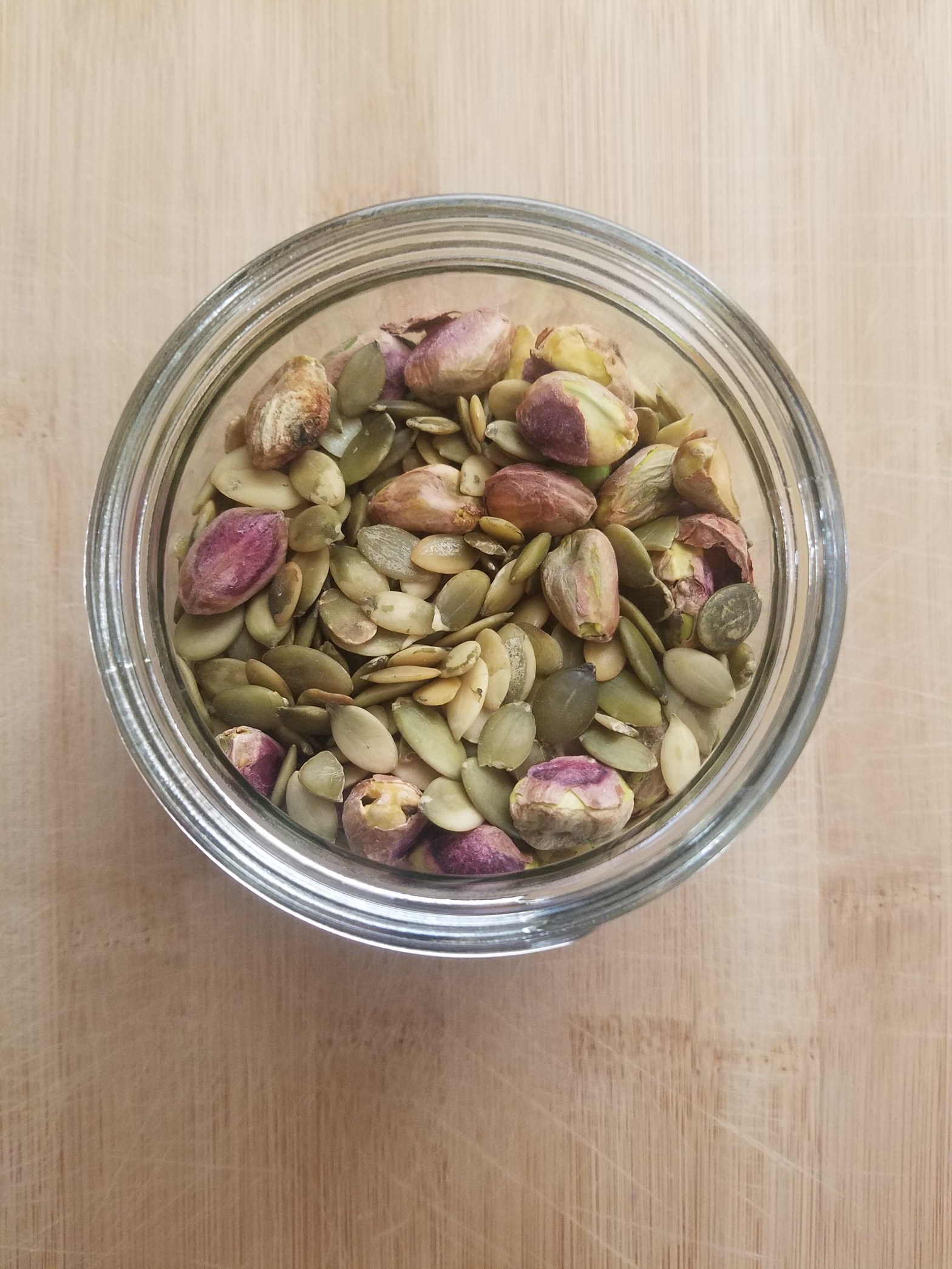
coconut oils. Raw almonds, macadamia nuts, pumpkin and hemp seeds, cashews and
peanuts are all quality raw sources. It is very easy to incorporate these raw
and organic nuts if you get them in the butter form or have an affinity for
healthy trail mixes. An amazingly easy way to add a decadent texture and
character and macronutrient rich ingredient to your smoothie, oatmeal, fruit
plate, salad dressing, healthy peanut butter cup recipe or whatever you may
fathom.
CAUTION:
Avoid any of these seeds I have expressed above in a expeller pressed oil form.
They are extremely toxic due to the methods they use to extract the oils and
will be counterproductive once heated for cooking. Do not believe the hype
about all these different seed oils, especially rapeseed aka canola oil, peanut,
safflower and sunflower(2). These fats going in at this level need to be
consistently clean and reliable. Think the Department of Transportation and its
regulations on clean and conscious fuel consumption if saving this planet was priority
number one.
In our consumption of
polyunsaturated fats our reach can extend a bit farther. There are more readily
available types of cold water fish in addition to various seeds and nuts. This
is where our cholesterol, particularly our LDL (Low-Density lipoprotein), is
directly increased or decreased. Omega 3 and Omega 6 EFA’s are both present in
these foods and thus will be very important in one’s diet to ensure
unobstructed blood pathways (i.e. healthy endothelial) which is a major factor
in most pulmonary conditions and a contributor to sudden death. Wild caught salmon,
trout and sardines would be your most polyunsaturated fat dense options of the
seafood category. (Personally speaking, mackerel tastes like I’m licking Nemo’s
little fin so I have no recipes at this moment). Contrastingly, I absolutely
LOVE cooking with and devouring salmon in diverse ways (Please send me any
recipes you may have or cooking methods: Especially if they are cultural
innovations). Flax and hemp seeds are going to be major components in the quest
for a balanced and diverse acquisition of EFA’s. Flax seed is a clean source
for all 3 Omega fatty acids and comes in the raw whole form or the cold pressed
oil form. It can easily be implemented into your diet as an oil base for salad
dressings when your aiming for a nuttier palate. Or in smoothies, oats or over
fresh fruit and raw honey.
Hemp seed is by far one of the plant kingdoms
most macronutrient packed offerings. The oil contained within the hemp seed is
75-85% poly-what? You guessed it-unsaturated fat. Now I know we are speaking
about fats at the moment but in order to get those fats into a state of
accessibility from the consumed food, digestion must take place. The essential
fatty acids provided from hemp seeds are converted into short chain fatty acids
in the colon. This process begins the production of butyrate, propionate and acetate
which are so important to our complex microbiota and the entire process that is
digestion. (3). It is a well-rounded source of not only Linoleic Acid (LA) but
also Alpha Linoleic Acid (ALA) and in lesser amounts Gamma-linolenic Acid
(GLA). That alone is stunning information and deserves for you to add this
nutrient packed seed to your diet. Hemp seed also happen to have all known 20
amino acids for the body. Nine of which we cannot synthesize on our own plus a solid
fiber source. It can definitely be added to almost anything from coffee and
smoothies, to salads or bowls. I really enjoy adding it to my oatmeal or roll
homemade vegan raw brownies in them as an alternative to excess plant base
flours (just a texture thing) or mix them 1:1 with organic shaved coconut from
the bulk food isle.
Onto
saturated fats we roll and I must admit here is where things will get quite
dicey and convoluted. As stated previous I want to keep it simple and honest.
In the form of plant-based sources I attest to the massive benefits of the
healthy saturated fats in organic cold pressed unrefined coconut oil. The
medium chain triglycerides (MCT’s) available for fast and clean energy
consumption paired with its antioxidant/antimicrobial benefits are
unparalleled. Due to its unique properties coconut oil will actually stimulate
fat burning and raise HDL (High-density lipoprotein) which will help protect
our arterial health. The adding of this to your morning coffee or tea will
assist in the early stages of intermittent fasting (if you are #bulletproof
fasting) which is vital to genuinely laying claim to optimal health. This has
by far the widest range of uses in the kitchen. From no bake recipes to
smoothies and wilting greens this cold pressed saturated fat is a hot bargain.
Who
knew that chocolate would make this list and on a weekend at that? Cacao. A
natural source of raw saturated fats
(and a host of other benefits that genuinely qualify this as a historical
superfood). Preferably in the crushed bean form (nib) as opposed to the powder
because it will provide a more complete nutrient profile. As a general rule:
The closer to the original state of the food we consume, the more properties
that food still has within it for our bodies to interact and benefit from. This
is the true form of chocolate. Not mixed with butter and more sugar and milk
proteins, lecithin and soybean oil. That is a chocolate bar built for mass
distribution and warehouse storage. That is a bomb in a wrapper. Chocolate is
cacao and it has profound properties. Per 30g of cacao nibs 15g are fat. Of
those 15g of total fat 9g are saturated fat. I recommend getting your daily
dose of this original superfood that will please on many levels.
When
it comes to getting your fat sources from other animals it is vital that you
revisit the circle of life poster from grade (or primary school in other
countries) school. With algae at the beginning of the flow chart and the shark
at the top with various sea life in between. Take note that it is no different
on the land with the animals you choose to eat. There is a massive difference
between a CAFO (caged animal feeding operation) derived piece of meat and a
grass fed-grass finished cut of meat. The old saying rings true, “we are what
we eat.” The pollution and sickness that the organism contracts prior to us
ingesting them will have an effect on us and our biology. We cannot ignore
that. The very cows or chickens that you are going to purchase and consume are
being fed a diet of meal and parts of its fellow species, genetically modified
corn and feed and whatever else can be passed off as acceptable enough to get
these animals to slaughter in the most profit reaping state. The animals genuinely
raised in a ‘natural living’ environment produces a genuinely natural product. So,
you can guarantee that in a disease-ridden unnatural environment, for any
organism, you are going to get an unnatural product. A sick product. Which is
why there can be no cutting corners when you are not going to commit to giving
up dairy and/or meat that has been reared in such horrendous and disgusting
manners. I do not advocate for a full plant/no meat diet. I vouch for a clean,
sustainable and conscious approach to healthy eating. That said you want organic
pasture raised dairy giving cows and you of course do not want anything short
of full fat non-homogenized milk. Grass fed unsalted butter and ghee is a great
source of saturated fat and can be used in every way that coconut oil can (just
remember they have different smoke points when cooking with them).
At
this point I feel I should not even have to speak about Trans fats past the
point of saying if you eat them you will pay for it sooner than later and most
likely already are an unsuspecting victim of its snare. The body has no history
with this manmade marketing tool. It is not for consumption and digestion. More
and more studies are showing it is a major hazard to public safety and yet if
you go to the store right now and pick up almost anything in a jar with a lid
or multiple ingredients on the label you will find hydrogenated safflower,
sunflower, rapeseed, cottonseed, or vegetable oil. You will even see
hydrogenated coconut oil; do not get confused when you see healthy food being
manipulated. You have to understand what processed food is and how harmful it
is to the human body. There are too many documentaries, articles and
publications on the status of processed foods and why they are so toxic to just
pick one or two to cite. Type it into your search engine and take a half an
hour to read up on a subject that will more than likely save your life. The
bottom line on processed vegetable and seed oils as they are all very high in
pro-inflammatory EFA’s, they weaken artery dilation, lower HDL, and damage the
endothelial pathways. These are fats that are catalyzed by a metal compound,
heated to temperatures that destroy the benefits of the fat and create
something that has the opposite effect on the body. This is a major reason why
you must be aware of the different temperatures that different unrefined cold
pressed oils can be heated to without denaturing (making your quality E.V.O.O. forfeit
its V card). They have to bleach and deodorize some of these due to the process
they go through and yet they put them willingly into your children’s favorite
snacks that get the most advertising and proclaim how beneficial it is because
it is gluten free or fat free. Neither of which are synonymous with health-Y.
The
Skinny:
Eat
raw plant-based foods. Do the research on some of your favorite healthy foods
like nuts or melon or the cruciferous family. There is so much more to not only
benefit from but to taste and experience than just chicken and rice, beef and
potatoes, pita and lamb. Seek out new root vegetables to bring into your
kitchen. Saunter through the seasons with new varieties of spice blends with
your favorite veggies and vinaigrettes. Have fun and log what successes and
setbacks you encounter. Identify why certain foods were very beneficial and why
some did not suit you. Expand your knowledge on the health effects of processed
foods and their ingredients and make a sterling effort to make the change that
will change your life. Be the best you. The only you there should be.
References
- Reynolds, Susan. “The Skinny On Fats .” Psychology, 22 Sept. 2011. Google, http://www.psychologytoday.com/us/blog/prime-your-gray-cells/201109/the-skinny-brain-fats. Accessed 13 Aug. 2018.
- Gifford, Dawn. “Canola Oil Is Bad For You.” Small Footprint Family, edited by Dawn Gifford. Google, http://www.smallfootprintfamily.com/the-inconvenient-truth-about-canola-oil. Accessed 7 Aug. 2018.
- Hemp Basics, www.hempbasics.com/shop/hemp-seed-nutrition. Accessed 13 Aug. 2018.
- Spriensma, Stephen. “”What Do Hemp Hearts Have To Do With Gut Health?”.” Goodness me. 2017. Google, goodnessme.ca/blogs/goodness-me/hemp-seeds-and-the-microbiome-effects-omega-fatty-acids-have-on-gut-health-and-inflammation.


 The Healthy Hueman LLC